KAUR: Reimagining Heritage Through the Modern Bride
Some bridal campaigns are built around the idea of a perfect wedding. Others go beyond the wedding itself and look at the stories, traditions and identities that shape the woman wearing the bridal dress. Mohsin Naveed Ranjha’s latest campaign, KAUR, belongs to the latter.
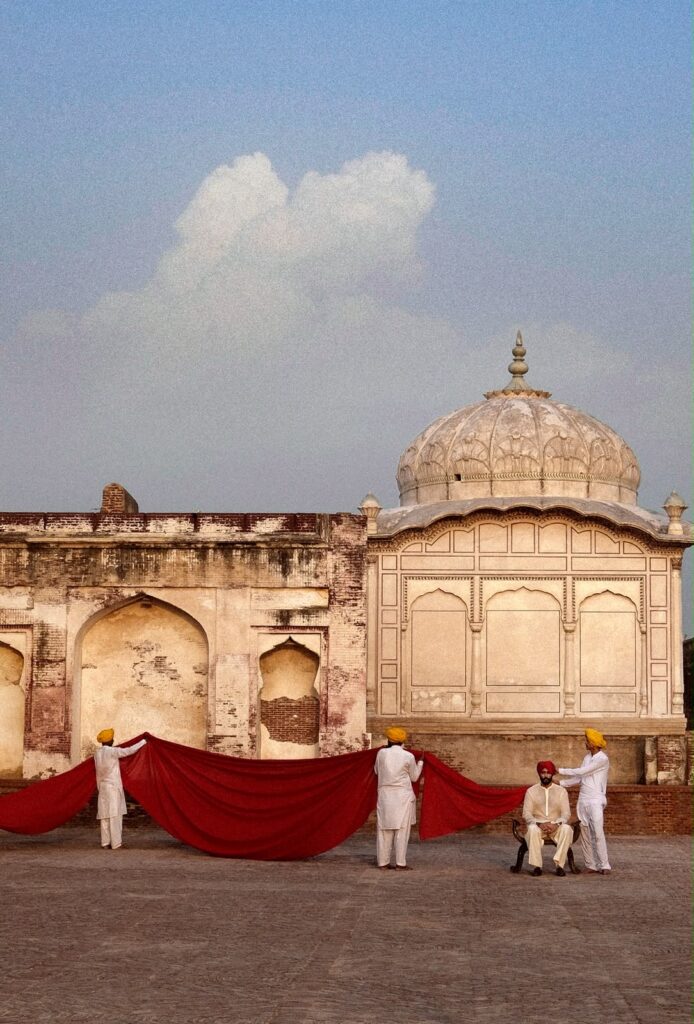
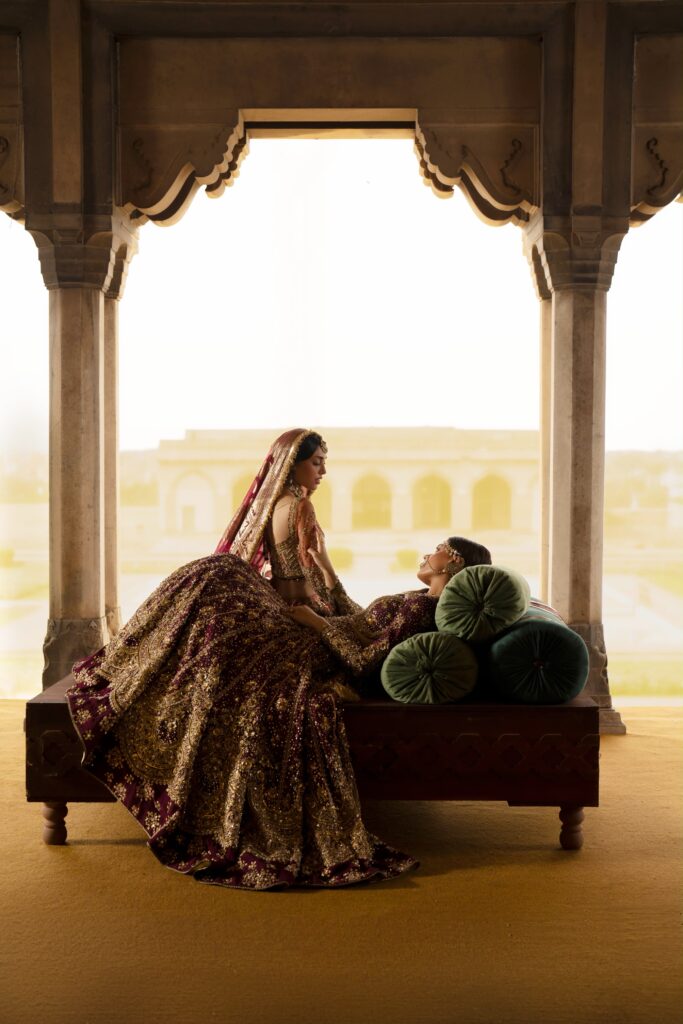
With KAUR, MNR explores the visual and cultural memory surrounding Sikh women, bringing elements of heritage into a contemporary bridal world. The campaign looks at what happens when something deeply rooted in the past is reinterpreted through a modern fashion language.
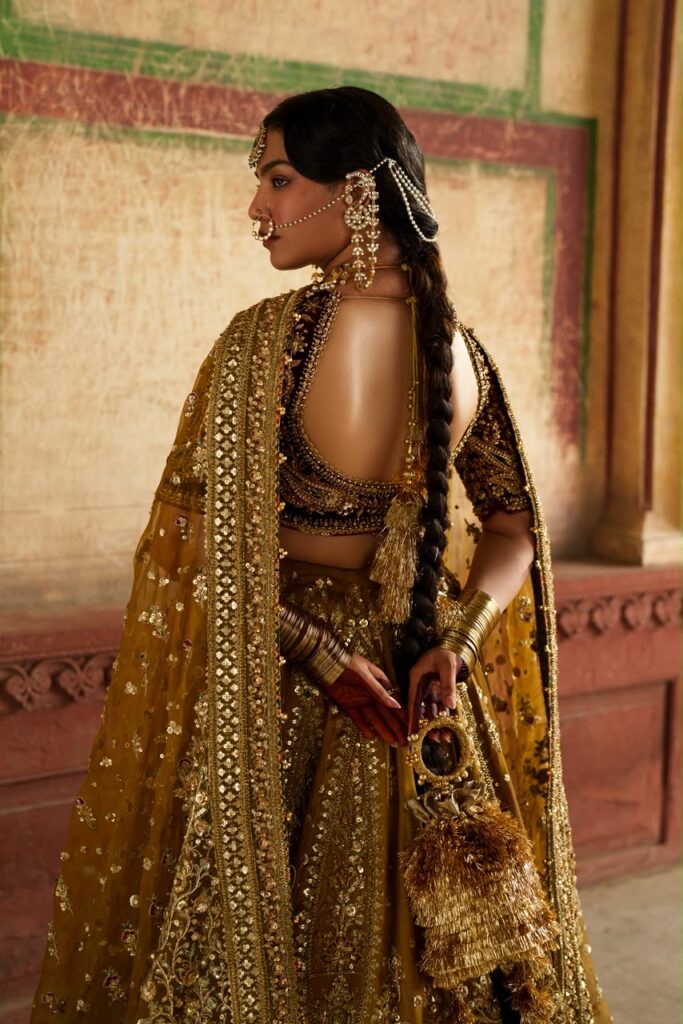
At the centre of the campaign is the idea of ancestral memory. The women of today carry more than their own stories. They inherit rituals, traditions, experiences and cultural references from the generations before them. KAUR explores this connection through fashion, presenting heritage as something that continues to live and evolve rather than something that simply belongs to history.
Visually, the campaign creates a meeting point between the archival and the contemporary. Sikh cultural references become part of a cinematic bridal universe, while modern styling and fashion bring a fresh perspective to the imagery. Instead of recreating the past exactly as it was, KAUR takes its essence and translates it into something that feels relevant to today’s bride.
The Sikh feminine remains central to this visual story. Through the campaign, the bride is presented not only as an individual but as part of a larger lineage. Her clothing, presence and surroundings become connected to the women who came before her, creating a sense of continuity between generations.
This approach also reflects the way bridal fashion itself continues to change. South Asian brides today are increasingly looking for ways to connect tradition with their own identity. Heritage can still be important without dictating exactly how a bride should look or feel. KAUR taps into this shift by showing that cultural influence can be reinterpreted without losing its meaning.
For Mohsin Naveed Ranjha, the result is a bridal campaign that feels rooted while still looking forward. The richness of Sikh heritage becomes a starting point rather than a limitation, allowing the collection to exist between memory and modernity.
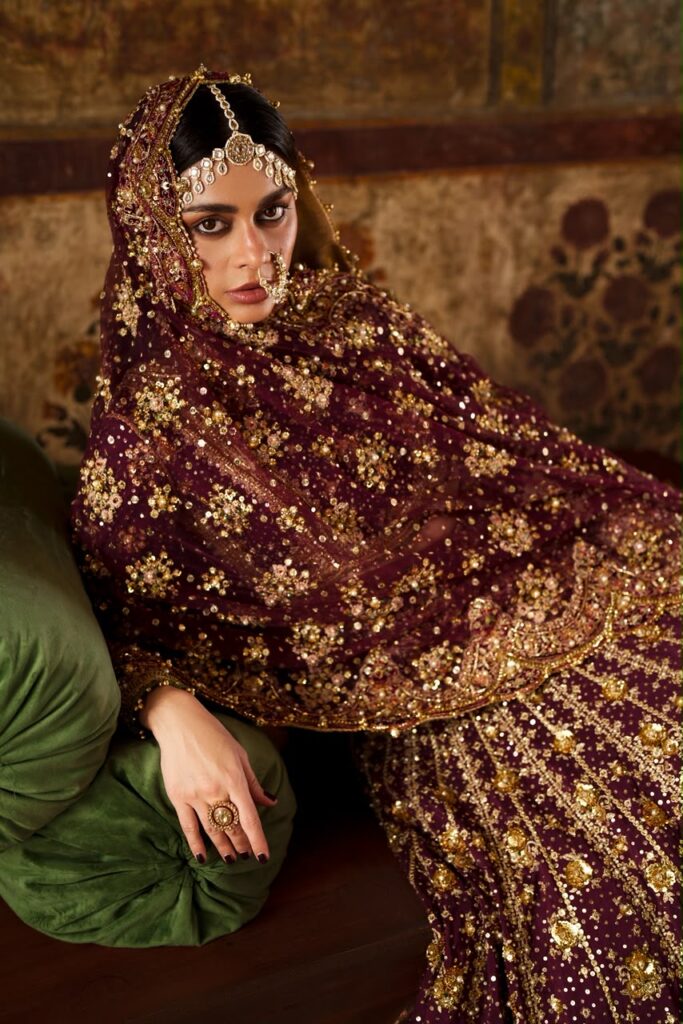
KAUR ultimately reminds us that heritage does not have to remain frozen in old photographs or archival stories. It can live through the next generation, take on new forms and find its place within the world of contemporary fashion.
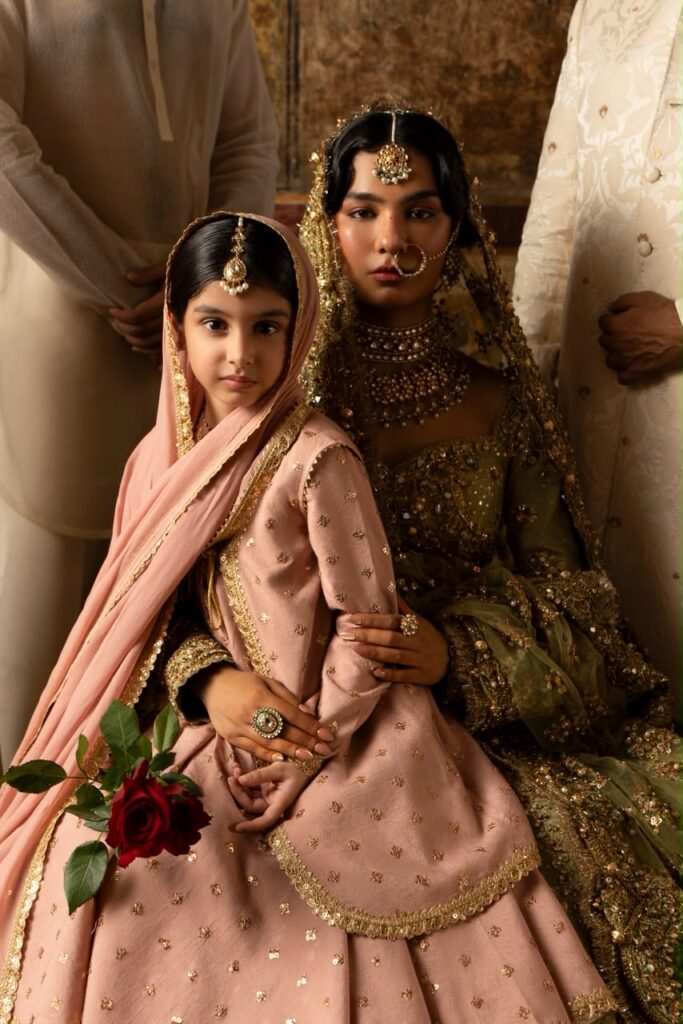
And perhaps that is what makes the campaign feel relevant beyond bridal wear. KAUR is not only looking at where the modern bride comes from, but at how she carries that history with her as she moves forward.